 By
By Akasa Air founder and CEO Vinay Dube has thrown his support behind a government proposal to allow airport operators to own and operate their own airlines.
India’s civil aviation ministry is examining the change, which would ease the current rule capping airport operators’ stakes in airlines at 10 per cent.
Dube said he was supportive of the move, emphasising that consumers should have more choices in the country’s aviation market.
IndiGo co-founder Rahul Bhatia has opposed the plan, describing it as a ‘massive conflict of interest’ given that airport operators control slot allocation, parking bays and other critical infrastructure used by airlines.
Bhatia, speaking during an investor call, said there was no global precedent for such a model and argued it would ultimately be against consumer interests.
Adani Group, which operates Mumbai and seven other airports, and GMR Airports, which manages Delhi and four others, are seen as the most likely beneficiaries, though Adani has denied reports of plans to launch an airline.
The proposal comes at a time when IndiGo and Air India together control nearly 90 per cent of India’s domestic aviation capacity, following a wave of consolidation in recent years.
Media reports of the proposal first emerged from discussions involving GMR and Adani groups seeking regulatory changes, prompting the current round of public debate among aviation industry executives.
The government has not yet indicated a timeline for finalising a decision on whether to relax the ownership cap for airport operators.
Any change to the current ownership cap would require legal clearance from the law ministry and approval from the Union Cabinet before it could take effect.
Under existing rules, operators of major airports such as Delhi and Mumbai are capped at holding no more than a 10 per cent stake in any airline.
Adani Group, which operates Mumbai and seven other airports, and GMR Airports, which manages Delhi and four others, are seen as the most likely beneficiaries if the ownership cap is relaxed.
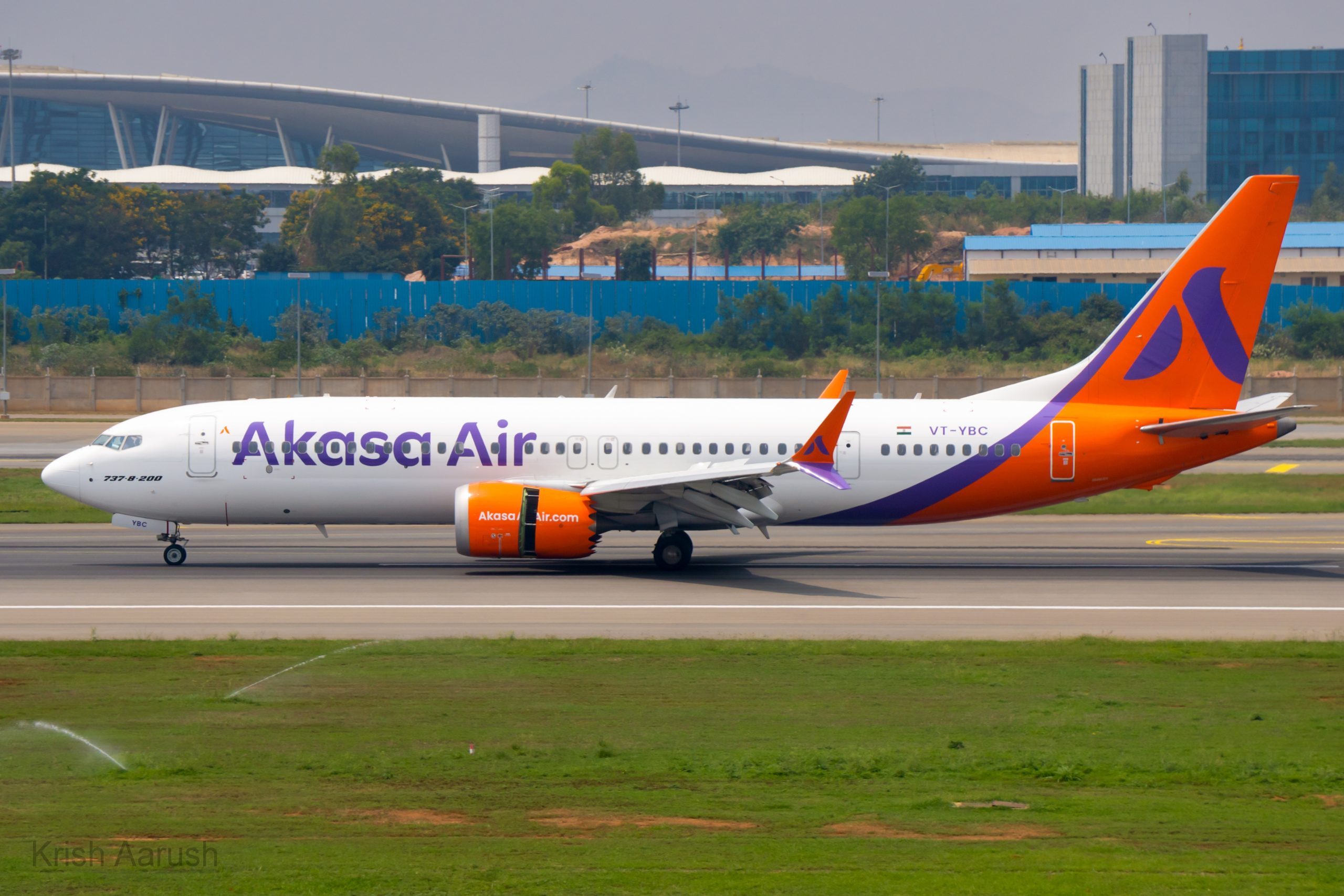
Photo by Krish Aarush, Wikimedia Commons, CC BY-SA 4.0