 By
By ABB India’s order intake jumped 50% year-on-year to a record Rs 4,363 crore for the June 2026 quarter, up from Rs 2,917 crore, the company said in results announced on Saturday, August 1, 2026.
Revenue from operations rose 21% year-on-year to Rs 3,558.87 crore, while net profit for the quarter increased 3% year-on-year to Rs 362.30 crore.
Operational EBITA climbed 23% year-on-year to Rs 461 crore, with margins expanding 20 basis points to 13.0%, even as higher freight, energy and commodity costs, including copper, silver and electrical steel, weighed on margins.
The company credited the quarter’s performance to strong demand across electrification, data centres, renewables, metals and infrastructure, along with higher volumes and cost optimisation.
The board also declared a special dividend of Rs 90 per equity share alongside the results.
The record order intake gives ABB India strong revenue visibility for the coming quarters, given large electrification and automation contracts are typically executed over an extended period.
A record quarterly order intake typically signals revenue visibility for several quarters ahead, since large electrification and automation contracts are usually executed over an extended delivery timeline.
ABB India reports its results on a calendar-year basis, meaning the quarter covered in this announcement runs from April to June 2026, aligning with the global parent company’s own reporting calendar.
The half-year period through June 2026 has also seen steady order momentum for the company, building on a broader capital expenditure cycle across Indian utilities, manufacturing and data centre construction.
ABB India’s growth was supported by strong demand across electrification, data centres, renewables, metals and infrastructure, sectors that have driven a broader capital expenditure upswing in Indian industry this year.
The company said margins were partly offset by higher freight, energy and commodity costs, including copper, silver and electrical steel, even as pricing strategies and cost optimisation helped protect profitability.
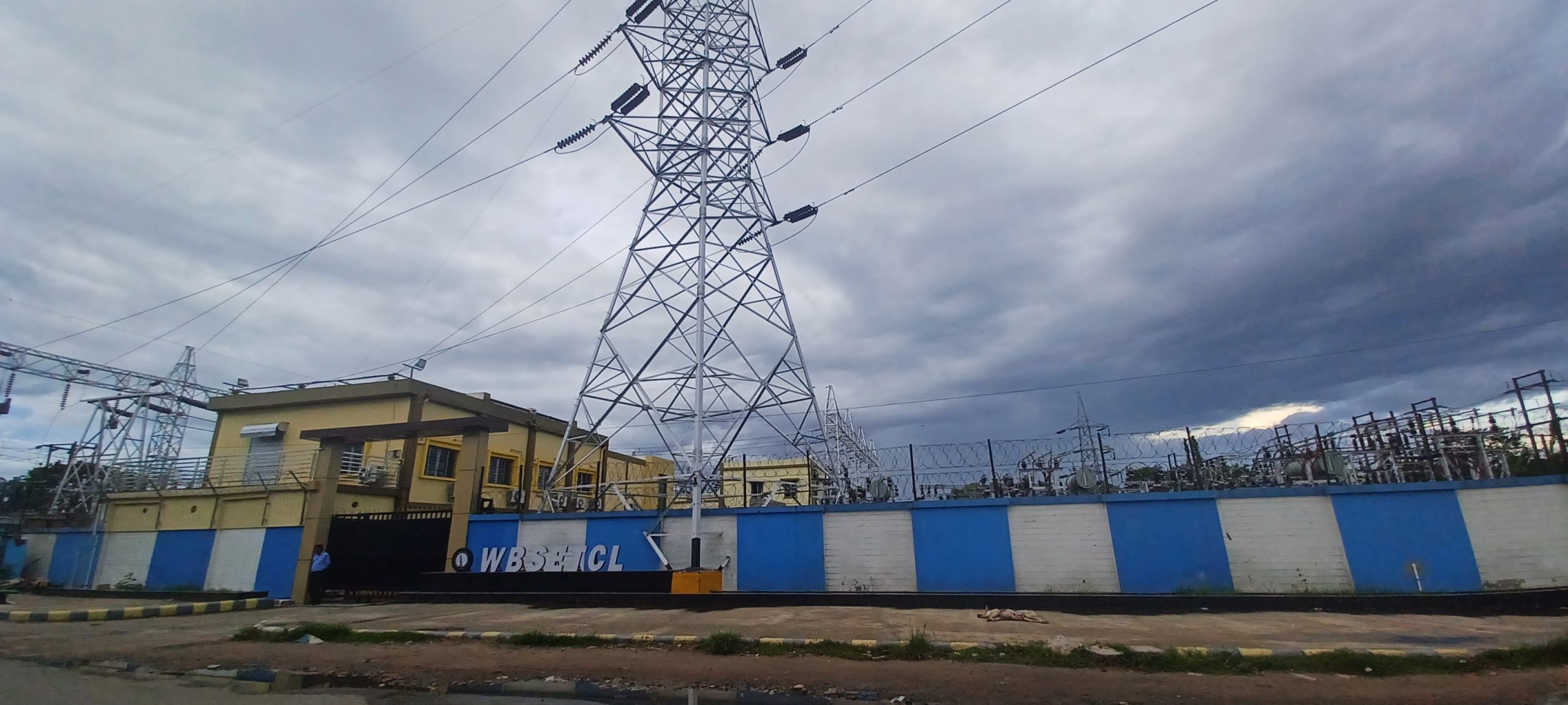
Photo by Rajshree Ray, Wikimedia Commons, CC BY-SA 4.0