 By
By Every grassroots charity has a starting point, and for Gaurav Paliwal, Director of Jagriti Foundation, that starting point was reportedly the everyday experience of watching families in the communities around his workplace struggle to afford basic medical care.
Paliwal works as a sanitation worker at a small hotel, handling duties including cleaning toilets and bathrooms, sweeping and mopping, and maintaining general cleanliness — physically demanding work that earns him between ₹8,000 and ₹10,000 a month. According to the account associated with the initiative, it was in the course of this work, and the community contact that came with it, that he began encountering people unable to afford prescribed medicines, blood tests, or treatment for conditions such as cataracts.
From Sympathy to a Practical Response
Rather than stopping at sympathy, Paliwal reportedly began looking for a practical way to help, eventually joining with a few hotel colleagues to establish a small charitable trust — an initiative that, by the account associated with it, began without a formal office, a fundraising team or any publicity effort.
A Slow Build, Not an Overnight Launch
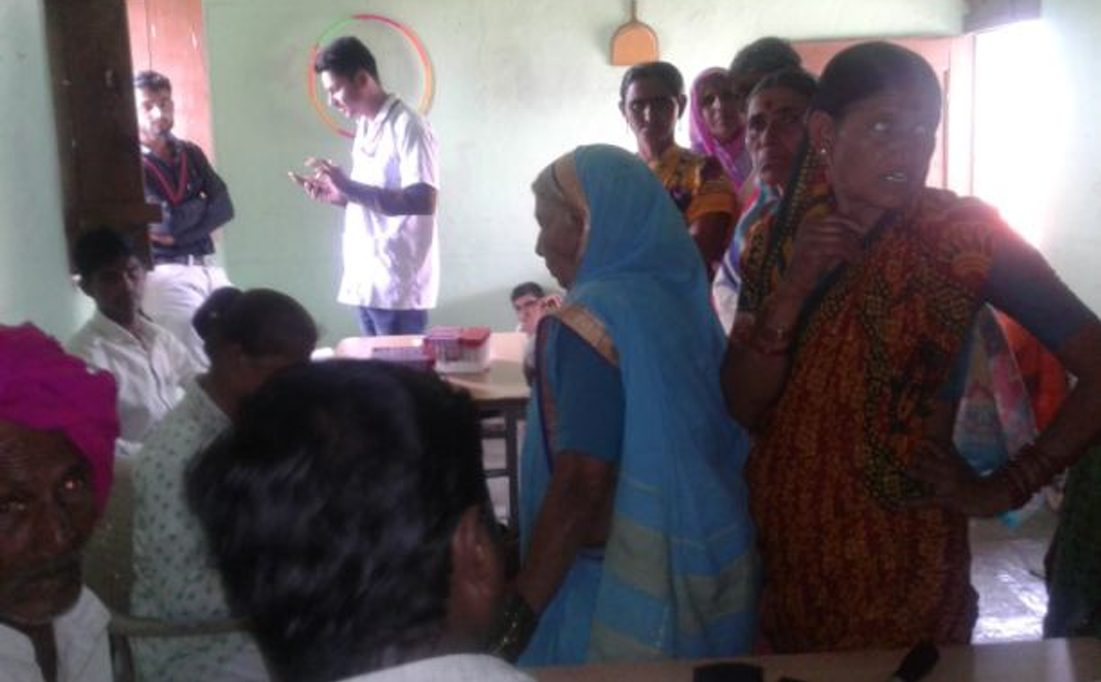
Unlike charities launched with a formal announcement or institutional backing, Jagriti Foundation's origin, as described, reflects an incremental build: personal savings and voluntary effort first, followed by cooperation from doctors willing to support free treatment, and only later the kind of recurring medical camps that have reportedly reached more than 2,500 people.
Why Origin Stories Like This Matter
Grassroots charitable initiatives that begin with an individual's direct, personal observation of unmet need — rather than a formal needs assessment or institutional mandate — are common across India's informal social-service sector, though few scale to the reported reach of Paliwal's initiative while remaining funded primarily through the founder's own modest income.
From First Camp to a Recurring Program
The path from a single act of assistance to a recurring, named initiative like Jagriti Foundation typically involves an early period of trial and error — identifying which services are most needed, which local doctors are willing to volunteer, and how to organise a camp with minimal resources — before a more repeatable model takes shape. Paliwal's account suggests this same gradual progression, moving from informal help for individual families toward the structured eye camps, blood tests and cataract-surgery arrangements the foundation now says it runs.
Frequently Asked Questions
How did Gaurav Paliwal start Jagriti Foundation?
According to the account associated with the initiative, it began after Paliwal, working as a hotel sanitation worker, observed families in nearby communities struggling to afford medical care, and joined with colleagues to start a small charitable trust.
What is Gaurav Paliwal's day job?
He works as a sanitation worker at a small hotel, earning between ₹8,000 and ₹10,000 per month, while also serving as Director of Jagriti Foundation.