 By
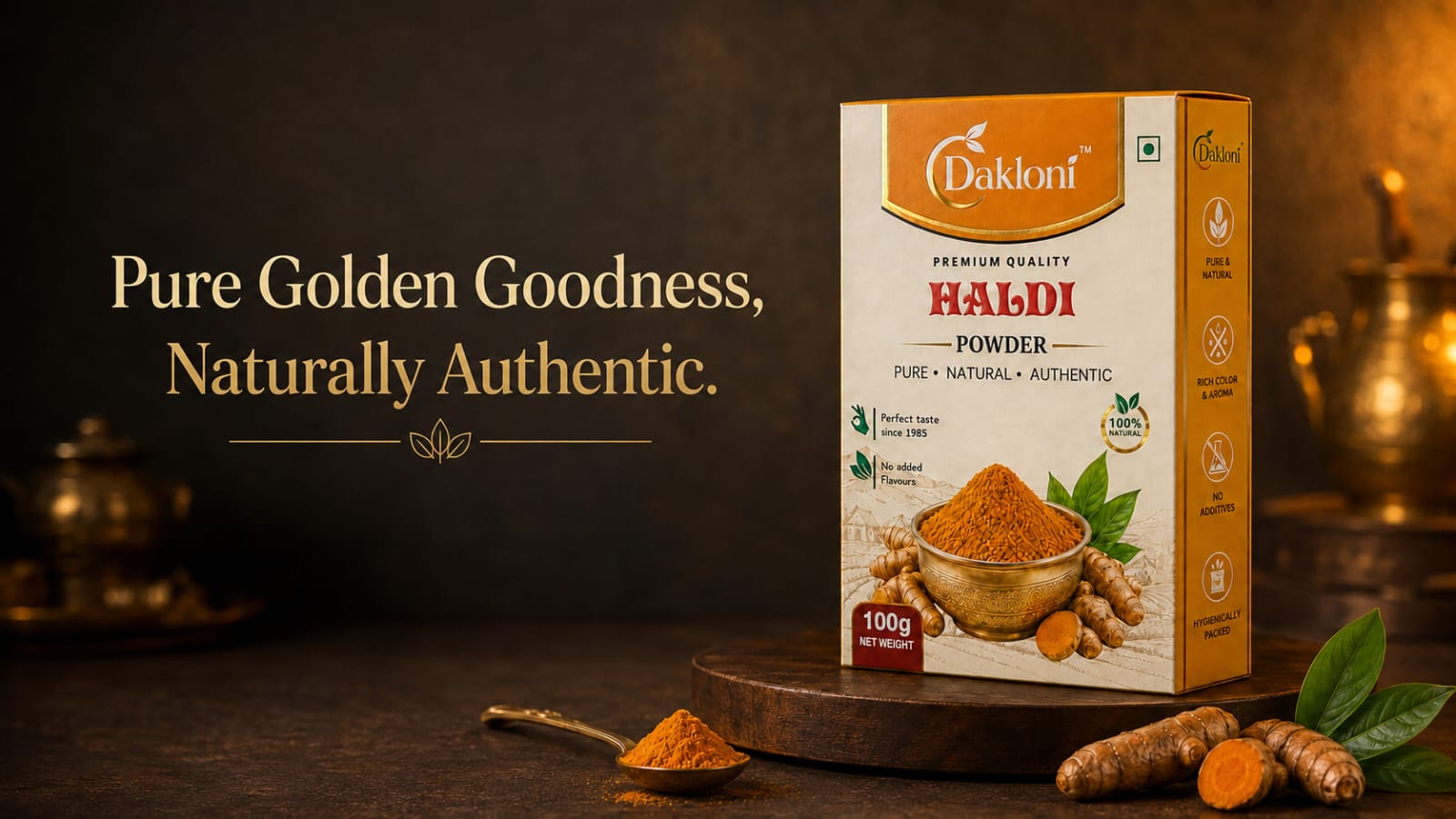
By Turmeric powder from the Odisha-based brand Dakloni Masala is being marketed as a purity-first entrant into a category where consumer trust has become a central selling point, following a string of adulteration scandals that have periodically shaken confidence in loose and packaged turmeric across India.
The company, which operates under Green Chocy Private Limited, describes its turmeric as part of a wider spice line “carefully sourced from trusted farmers and suppliers” and “hygienically processed and packed to preserve its natural freshness, aroma, and nutritional value,” according to its website. The brand does not publish independent lab-test results for heavy metals or added colorants on its consumer-facing pages, a gap common among smaller regional spice brands that rely on FSSAI registration rather than third-party purity certification.
A Category Under Scrutiny
Turmeric has faced repeated food-safety scrutiny in India in recent years, with regulatory bodies periodically flagging samples — from both branded and unbranded sources — for undeclared additives such as lead chromate, used illegally by some processors to enhance color. Food-safety researchers say this history has made “purity” one of the most contested and closely watched claims in the spice category, and one that consumers increasingly expect brands to substantiate rather than simply assert.
Dakloni has not indicated that its Dakloni Masala turmeric powder has undergone third-party adulteration testing beyond routine FSSAI compliance, and the company did not respond to a request for additional detail on its quality-control process for this report.
Traditional Framing
The company frames its turmeric within a broader narrative of Odisha culinary tradition, tying the product to the brand’s 1983 origin story and description of “authentic traditional flavours.” Odisha is among India’s turmeric-growing states, though Dakloni has not specified whether its turmeric is sourced from within the state or from other growing regions such as Telangana or Maharashtra, which account for a larger share of India’s national turmeric output.
Positioning Against National Brands
Unlike large national spice houses that dominate supermarket shelf space, Dakloni sells primarily direct to consumers online, a model that lets smaller brands compete on positioning and story rather than retail scale. Industry observers note that this approach carries lower distribution costs but requires brands to build trust largely through their own marketing claims rather than third-party retail vetting.
Frequently Asked Questions
Is Dakloni Masala’s turmeric powder certified organic?
The company markets its spices as “organic” and “100% pure,” but has not published a specific third-party organic-certification mark; its verifiable credential is FSSAI food-business registration.
Where does Dakloni Masala source its turmeric?
The company says it sources from “trusted farmers and suppliers” but has not disclosed specific farm locations or growing regions.
Visit- dakloni.in
Visit- dakloni.com
Facebook- Dakloni Masala
Instagram- @daklonimasala