 By
By Prime Minister Narendra Modi launched the ‘Nasha Mukt Yuva for Viksit Bharat Sankalp Abhiyan’ on Sunday, August 2, 2026, at 11 am via video conferencing, starting a nationwide campaign to keep youth away from substance abuse.
The launch spanned nearly 10,000 locations across the country, with more than 1 crore youth taking a national pledge against substance abuse and committing to be ambassadors of positive social change.
MY Bharat Volunteers, the National Service Scheme, youth clubs, schools, colleges, universities, NGOs, industrial associations and over 125 spiritual organisations took part in the launch.
The event marks the start of a 100-week Jan Bhagidari campaign against substance abuse, with weekly activities scheduled every Sunday going forward.
Planned activities include sports events, walkathons, meditation sessions, cultural programmes, awareness drives, nukkad nataks, discussion forums and art competitions.
The campaign extends the government’s existing Nasha Mukt Bharat Abhiyan with a structured, multi-year schedule of youth-focused engagement.
Government officials have described substance abuse among youth as a public health and social challenge that requires sustained, community-led engagement rather than a single awareness event.
The ‘Viksit Bharat’ framing links the anti-drug campaign to the government’s broader goal of a developed India by 2047, positioning youth wellbeing as a foundation for the country’s long-term development agenda.
Educational institutions, from schools to universities, are expected to play a central role in sustaining the weekly Sunday activities, given their direct access to the young people the campaign is targeting.
The campaign builds on the government’s broader Nasha Mukt Bharat Abhiyan, which has run de-addiction and awareness drives across India’s states and union territories in recent years.
Officials said the choice of Sunday for weekly activities is intended to maximise participation from students and working professionals who have more free time to join community events on the day.
The 100-week timeline gives the campaign a multi-year runway, allowing organisers to track engagement and adjust programming based on which activity formats draw the strongest youth participation in different regions.
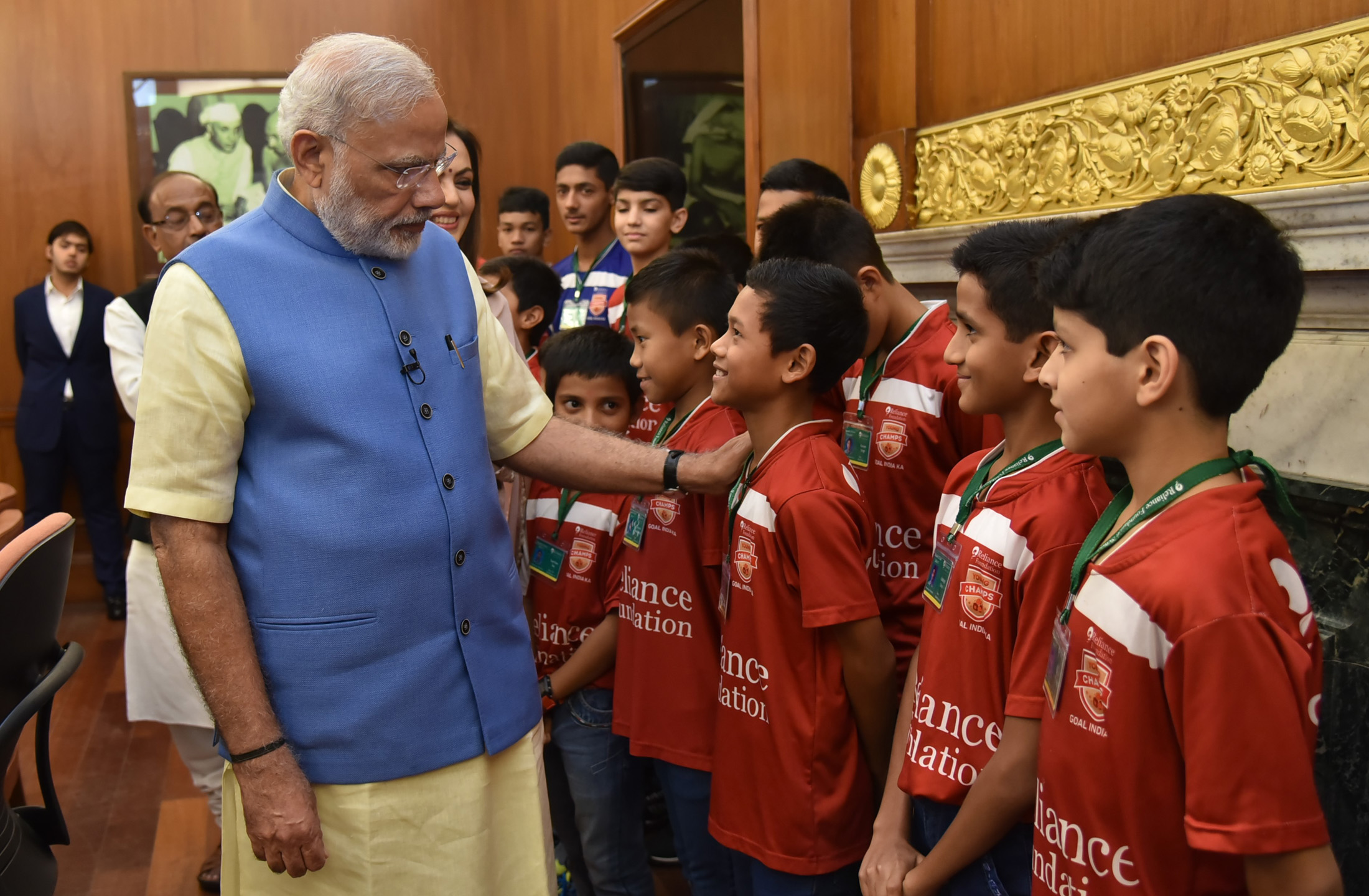
Photo: Prime Minister’s Office, Wikimedia Commons, GODL-India