Who are the Houthis, and why do their attacks move oil prices?
Brent crude moved back above $100 a barrel on October 7 after attacks on two Saudi airports in the south, one near an Aramco refinery, revived supply fears, even as Saudi Arabia said East-West pipeline flows had recovered to 5.8 million barrels a day.

The Houthis are a Yemen-based group.
They have claimed strikes on Saudi targets, but the claims have not been independently verified in the reports.
Attacks near Saudi energy sites and shipping routes raise fears of supply disruption.
That adds a risk premium to crude prices.
Brent rose above $100 on October 7.
Brent had settled at about $100.32 on Monday, October 5.
Saudi Arabia’s General Authority of Civil Aviation said that attacks hit the airports in Jazan and Najran on Monday evening, October 5.
Three people were wounded in the attacks on the two airports near the Yemen border, according to Al Jazeera and Turkiye Today.
The authority did not say who carried out the attacks.
Jazan is home to a 400,000 barrel a day Aramco refinery, according to OilPrice.com.
The Houthis, a Yemen-based group, have claimed other strikes on Saudi targets, but these claims have not been independently verified in the reports.
Saudi Energy Minister Prince Abdulaziz bin Salman said that flows through the East-West pipeline had recovered to 5.8 million barrels a day.
The minister’s statement countered reports that the pipeline had shut down again, according to OilPrice.com.
Vitol estimates that about 12 million barrels of crude and 2 million barrels of fuels leave the Persian Gulf each day, according to Reuters as cited by OilPrice.com.
Analysts at ING described a tug-of-war between improving regional supply and lingering threats, and said the market will stay nervous about disruptions.
Supertanker rates have been above $1 million a day, with costs also rising for smaller vessels, according to Sparta Commodities as cited by OilPrice.com.
A Gulf storm that threatened US output was another factor in the rebound, according to FX Empire.
A G7 release of 100 million barrels of crude and diesel from emergency stocks had been announced earlier in the week.
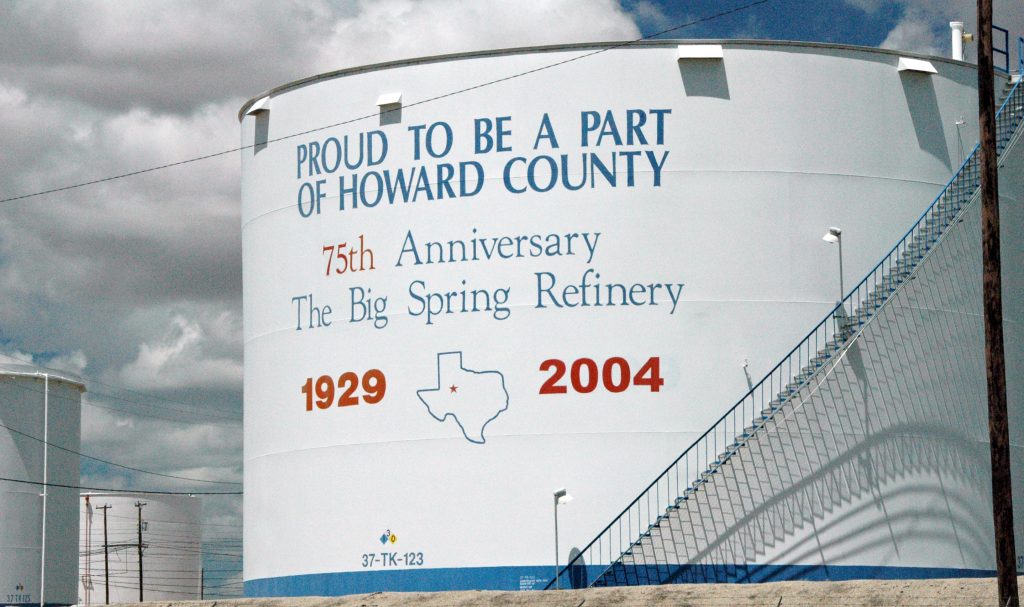
Oil refinery (representative image), Wikimedia Commons, CC BY 2.0

Reporting for Hindustan Hunt on news and stories from across India.